Seamless Animal Skin Print Patterns
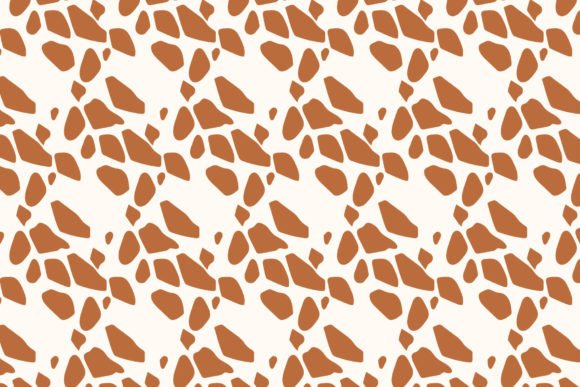
Seamless Animal Skin Print Patterns refer to a curated digital collection of repeatable, tileable designs inspired by wildlife textures—such as leopard spots, zebra stripes, tiger fur, giraffe patches, snake scales, and cowhide markings. These patterns are engineered to repeat infinitely without visible seams, making them suitable for continuous surface coverage in both digital and print applications.
The collection includes high-fidelity renditions across multiple visual styles: realistic animal skin textures, hand-drawn abstract interpretations, watercolor-infused variants, and minimalist vector-based versions. Each pattern is delivered in widely compatible file formats—including Adobe Illustrator (.ai), Encapsulated PostScript (.eps), Scalable Vector Graphics (.svg), Portable Document Format (.pdf), and Joint Photographic Experts Group (.jpeg)—supporting flexibility across design workflows.
Why Consider Seamless Animal Skin Print Patterns?
Designers, crafters, and small-business owners often seek reliable, licensable pattern assets for projects requiring visual cohesion and thematic consistency. Animal-inspired motifs carry strong associations with luxury, nature, boldness, or safari aesthetics—making them relevant for fashion textiles, interior décor, branding, stationery, and publishing.
This collection addresses practical needs: avoiding copyright risk from unlicensed stock imagery, reducing time spent creating custom repeats from scratch, and ensuring technical readiness for scaling (vectors) or high-resolution output (raster). It also supports experimentation—testing how a leopard print behaves on fabric versus a zebra texture on book cover mockups—without committing to physical sampling first.
Key Benefits and Realistic Expectations
Technical readiness: All patterns are pre-tested for seamlessness, meaning they tile cleanly in design software without manual alignment or cloning. Vector files (.ai, .eps, .svg) scale infinitely without quality loss—ideal for large-format printing or embroidery digitizing. JPEGs provide immediate use in photo editors or web layouts where vector support isn’t available.
Format versatility: The inclusion of PDF allows for universal viewing and basic editing; JPEG offers quick drag-and-drop usability; SVG supports responsive web backgrounds; and native Illustrator files permit full layer access and color adjustment. This breadth reduces dependency on a single software ecosystem.
Style range: Unlike generic “leopard print” downloads limited to one tone or density, this set intentionally spans realism (e.g., photorealistic giraffe skin texture), abstraction (hand-drawn wild animal spots), and artistic interpretation (watercolor animal print patterns). That variety helps match tone—e.g., a soft watercolor leopard spot for greeting cards versus a sharp vector tiger stripe for packaging.
However, expectations should remain grounded. These are digital pattern files, not physical materials. They do not replicate the tactile qualities of real leopard leather or woven zebra-textured fabric. Color accuracy depends on device calibration and output medium—what appears warm on screen may shift when printed on uncoated paper or dyed cotton. Also, while the collection covers major animal motifs, it does not include exhaustive regional variations (e.g., specific subspecies of tiger coat patterns) or niche hybrids (e.g., blended leopard-zebra transitions).
Situations Where This Collection Is a Strong Fit
This set works well when you need ready-to-deploy, royalty-free patterns for commercial or personal use—provided the license permits your intended application. It’s especially appropriate for:
- Fabric designers developing textile lines who require scalable, repeatable motifs for digital printing on cotton, silk, or synthetics;
- Graphic designers producing branded merchandise (tote bags, notebooks, apparel labels) where consistent pattern continuity matters;
- Self-publishing authors designing book covers or interior chapter dividers with wildlife-themed visuals;
- Scrapbookers and card makers seeking printable digital paper with authentic-looking animal skin textures for layered compositions;
- Web and UI designers building themed websites or dashboards needing subtle, non-distracting background textures (e.g., a low-opacity giraffe skin wallpaper behind text content).
When Alternatives May Be Worth Considering
If your project demands highly specialized outputs, alternatives merit evaluation. For example:
- Custom illustration: If brand identity requires a unique, non-generic interpretation—say, a stylized leopard motif integrated with geometric line work or cultural iconography—a commissioned illustrator may deliver more distinctive results than a pre-made set.
- Photographic textures: Projects prioritizing hyperrealism (e.g., architectural visualization using animal-skin wall cladding) may benefit more from high-res, tiled photographic scans than vector or watercolor-based patterns.
- Licensed premium assets: For enterprise-level product lines (e.g., luxury fashion collections), brands sometimes pursue exclusive licensing of proprietary animal print designs through agencies—offering legal differentiation not possible with off-the-shelf sets.
- Procedural generation tools: Designers comfortable with software like Adobe Substance Designer may prefer algorithmically generated, parametric animal textures that allow real-time adjustment of scale, contrast, or randomness—something static files cannot offer.
Making an Informed Decision
Before acquiring Seamless Animal Skin Print Patterns, clarify three things: your primary use case, required output fidelity, and licensing scope. Ask yourself:
- Will the pattern be scaled to billboard size? Then prioritize vector formats (.ai, .eps, .svg) over JPEG.
- Is color consistency critical across print and screen? Request a color profile (e.g., CMYK for offset printing, sRGB for web) and test a sample swatch.
- Do you plan to resell products featuring these patterns? Confirm the license permits commercial redistribution—not all digital pattern sets do.
Also consider workflow integration. If your team uses only Affinity Designer or Figma, verify whether EPS or SVG imports retain layers and editability—or if conversion steps will add overhead. Finally, assess aesthetic alignment: download preview samples and apply them to mockups of your actual end product (e.g., a fabric swatch simulation or book cover template) before committing.
In summary, Seamless Animal Skin Print Patterns serve as a pragmatic, time-saving foundation for projects rooted in wildlife-inspired visual language. Their value lies not in novelty alone, but in functional reliability—tile integrity, format breadth, and stylistic range—across common creative tasks. Whether you’re prototyping a new line of safari-themed stationery or developing a fabric collection for sustainable fashion, evaluating this set against your specific technical, aesthetic, and legal requirements ensures it supports—not constrains—your goals.